
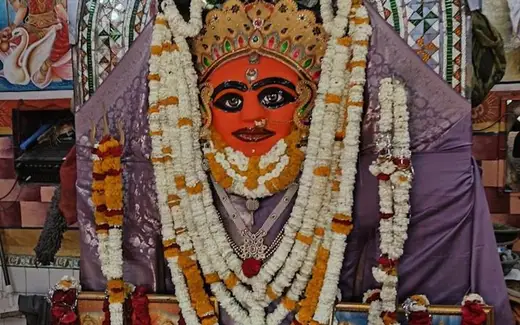
Rajarajeshwari Temple Shajapur
Laxmi Nagar, Shajapur, Madhya Pradesh
- DeityGoddess Shakti / Amman
- ArchitectureOther
- TypeAncient temple
- PeriodUnknown / disputed
About
Rajarajeshwari Temple Shajapur, also known locally as Maa Rajrajeshwari Mandir or Raj Rajeshwar Mandir, is a revered pilgrimage centre situated on the banks of a river in Laxmi Nagar, Shajapur, Madhya Pradesh.
Visit information
Timings
Daily: 6:00 AM - 12:00 PM, 4:00 PM - 8:30/9:00 PM
Dress code
Parking & accessibility
Adequate open parking space near the temple; can get congested during festivals. Outer courtyard and Sabha Mandap are accessible with assistance; entry steps to inner sanctum may require care for elderly or mobility-impaired visitors.
Darshan entry
- Free DarshanFree
Best time to visit
Worship & festivals
Daily poojas
- Morning Aarti
- Evening Aarti
Festivals & special days
- Chaitra NavratriMarch–April
- Sharad NavratriSeptember–October
Languages used in puja
How to reach
By road
- Arrive in Shajapur town via the Agra-Mumbai Highway (NH-52) or Shajapur Railway Station.
- Head toward Dhobi Chouraha / Station Road area within the town.
- Proceed locally toward Laxmi Nagar / Irrigation Colony where the temple is situated.
- Local auto-rickshaws and cycle-rickshaws are available from the bus stand or railway station to the temple gate.
By train
- Shajapur Railway Station2 km
- Maksi Junction23 km
- Berchha Railway Station24 km
By air
- Devi Ahilyabai Holkar International Airport, Indore110 km
- Raja Bhoj Airport, Bhopal160 km
Location
Laxmi Nagar, Shajapur, Madhya Pradesh
Stay & nearby
Where to stay
Affordable lodges and guesthouses available in Shajapur town; highway resorts and hotels along NH-52; extended stay options in Ujjain (70 km) and Indore (110 km).
Nearby attractions
- Shajapur Kila (King's Fort)2 km
- Crystal Fun World Water Park5 km
- Chillar Dam & Boat Club6 km
- Mahakaleshwar Jyotirlinga Temple (Ujjain)70 km
Heritage & details
- Historical period
- Unknown / disputed
- Built by
- Traditionally attributed to the Paramara period (King Bhoj, 11th century); expanded under Mughal rule (Shah Jahan, 17th century); further endowed by Manibai Paltan (1781 CE) and Tarabai (1791 CE)
Local names
Other deities
Heritage status
Photography rules
- Photography and videography strictly prohibited inside the main sanctum and near the primary deity.
- Exterior architectural shots from the courtyard may be permitted; check with temple staff.
Prasadam & annadanam
Dry or sweet prasadam (mishri, laddoos, seasonal fruit) distributed after aarti. Community-led bhandaras and food distribution during major festivals like Navratri.
Visitor reviews
Help others plan their visit — share timings, crowd, and what made your darshan special.
Share Your Experience
Loading…
No reviews yet
Be the first to share your darshan experience and help fellow pilgrims plan their visit.
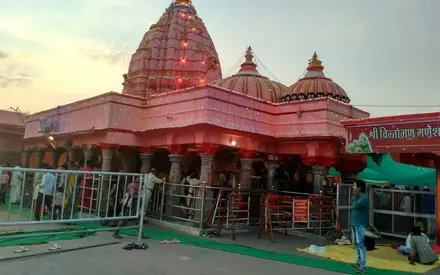
Chintaman Ganesh Temple
Chintaman Ganesh area / Jawasya village, Ujjain, Madhya Pradesh
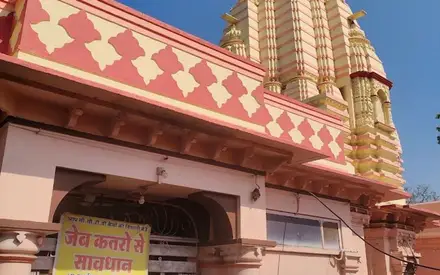
Gadkalika Temple
Near Sthirman Ganesh / Bhartrihari Caves area, on the banks of the Kshipra River, Ujjain, Madhya Pradesh

Siddhavat Temple
Bhairavgarh / Siddhavat Ghat, Ujjain, Madhya Pradesh
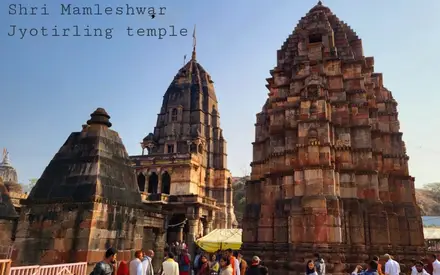
Mamleshwar Temple (Amareshwar)
Brahmpuri / Godarpura, Omkareshwar, Khandwa, Madhya Pradesh

Harsiddhi Mata Temple (Shakti Peeth)
Harsiddhi Marg, near Rudra Sagar Lake, Ujjain, Madhya Pradesh
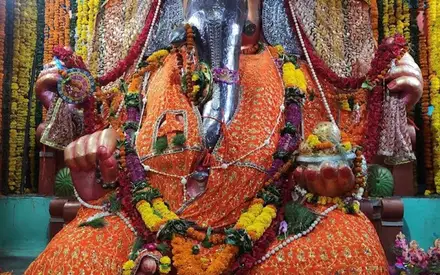
Bade Ganeshji Ka Mandir
Jaisinghpura, Ujjain, Madhya Pradesh