
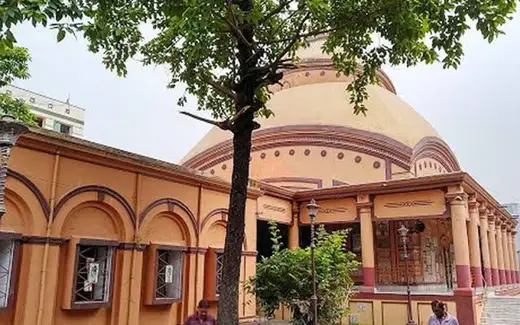
Radhaballav Temple Ballavpur
Ballavpur / Maniktala, Serampore, Hooghly, West Bengal
- DeityLord Krishna
- ArchitectureBengali (Chala)
- TypeAncient temple
- PeriodUnknown / disputed
About
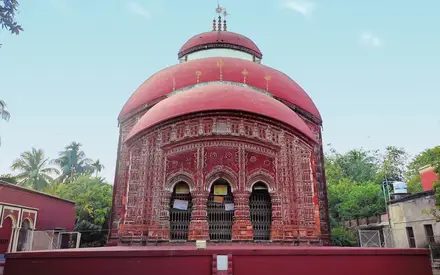
Radhaballav Temple Ballavpur, also known locally as Shri Shri Radhaballav Jeeu Temple, Ballavpur Thakurbati, and Henry Martin’s Pagoda, is an ancient pilgrimage centre nestled in the Ballavpur / Maniktala area of Serampore, Hooghly district, West Bengal.
Visit information
Timings
5:30 AM – 12:00 PM, 5:00 PM – 8:30 PM
Dress code
Parking & accessibility
Street parking or small community spaces nearby; large vehicles may need to park a short distance away. Limited wheelchair accessibility due to raised platforms and steps.
Darshan entry
- Free DarshanFree
Best time to visit
Worship & festivals
Daily poojas
- Mangala Aarti
- Shringar
- Bhog offerings
Festivals & special days
- Rashyatra (Ras Yatra)November (Kartik–Agrahayan)
- Maghi PurnimaFebruary (Magha month)
- Dol Purnima / Dol YatraMarch (Phalguna month)
Languages used in puja
How to reach
By road
- From Kolkata/Howrah, take a local train on the Howrah-Bandel main line to Serampore Railway Station (about 18 km from Howrah).
- From Serampore Station, exit towards G.T. Road, hire an auto-rickshaw or rickshaw to Thakurbati Street / Maniktala (Ballavpur), about 2 km away.
- By road from Kolkata, take Grand Trunk Road or Delhi Road/NH 19 towards Serampore via Sheoraphuli.
By train
- Serampore Railway Station (SRP)2 km
- Sheoraphuli Railway Station (SHE)4 km
- Howrah Junction (HWH)22 km
By air
- Netaji Subhash Chandra Bose International Airport (CCU)30 km
Location
Ballavpur / Maniktala, Serampore, Hooghly, West Bengal
Stay & nearby
Where to stay
Basic budget rest houses and local hotels near Serampore Court and station area; most travelers stay in Kolkata, which offers a range of options.
Nearby attractions
- Mahesh Jagannath Temple1.5 km
- Serampore Rajbari & Danish Tavern2.5 km
- Chandannagar Strand14 km
- Imambara, Hooghly (Chinsurah)18 km
Heritage & details
- Historical period
- Unknown / disputed
- Built by
- Originally by Rudraram Pandit (c. 1677 CE); current structure rebuilt in 1764 CE by Nayan Chand Mullick
Local names
Other deities
Heritage status
Photography rules
- Photography, video recording, and mobile usage are strictly prohibited near the inner deity chamber (garbhagriha).
- Photography of outer structures and courtyards is generally tolerated; follow local priest/volunteer guidance.
Prasadam & annadanam
Traditional confectionery and fruit bhog distributed after aartis; special festive bhog during major festivals. Community prasad distribution during festivals; no daily mass-scale annadanam.
Visitor reviews
Help others plan their visit — share timings, crowd, and what made your darshan special.
Share Your Experience
Loading…
No reviews yet
Be the first to share your darshan experience and help fellow pilgrims plan their visit.
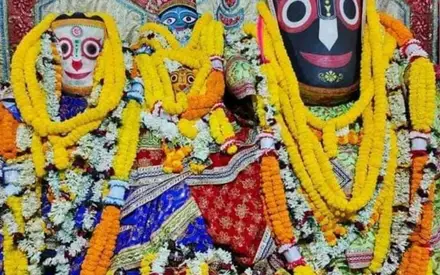
Jagannath Temple Mahesh (Mahesh Rath Yatra)
Mahesh (Mahesh Colony / Mahesh Bose Para), Serampore, Hooghly, West Bengal
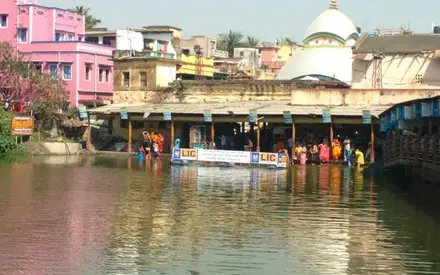
Tarakeswar Baba Taraknath Temple
Tarakeswar Mandir Road / Bhanjipur area, Tarakeswar, Hooghly, West Bengal

Hansheswari Temple Bansberia
Garhbari / Mithapukur More, Bansberia Road, Bansberia, Hooghly, West Bengal
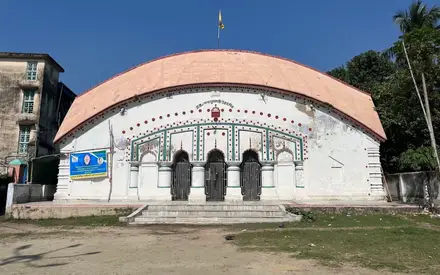
Chandannagar Nandadulal Temple
Durga Charan Rakshit Road, Chandannagar, Hooghly, West Bengal
Antpur Radha Govinda Temple
Antpur Village, Antpur, Hooghly, West Bengal
Kamarpukur Ramakrishna Temple
Kamarpukur Math / Mission area, Kamarpukur, Hooghly, West Bengal