Skip to content
DevalayamSacred places, with clarity
Temples
  1. Home
  2. Temples
  3. Huma Leaning Shiva Temple
Huma Leaning Shiva Temple, Huma, Sambalpur, Odisha

Huma Leaning Shiva Temple

Huma, Sambalpur, Odisha

No ratings yetRate & review
  • DeityLord Shiva
  • ArchitectureKalinga
  • TypeRiverbank temple
  • PeriodUnknown / disputed
  • About
  • Visit
  • Worship
  • How to reach
  • Stay nearby
  • Heritage
  • Reviews

About

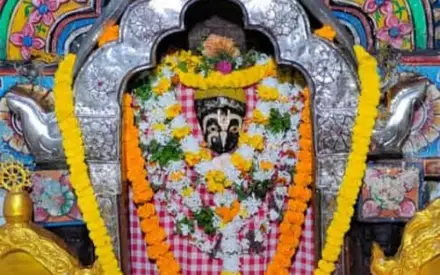
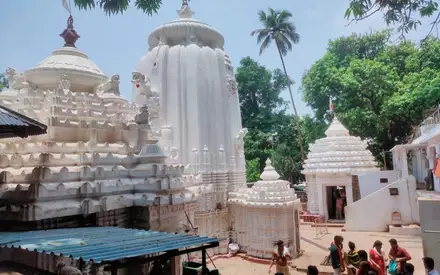
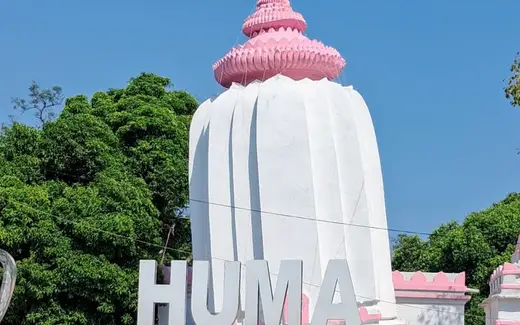
The Huma Leaning Shiva Temple, also known locally as the Leaning Temple of Huma, Huma Mandira, or Baba Bimaleswar Temple, stands as a unique pilgrimage centre on the banks of the Mahanadi River in Huma village, Sambalpur district, Odisha.

Renowned for its distinctive tilted structure, this ancient temple is dedicated primarily to Lord Shiva and also houses sanctums for Bhairavi Devi, Bhairava, Goddess Kali, and Lord Hanuman.

Its architecture reflects the traditional Kalinga style, making it a significant heritage site recognized by the state. Devotees can visit the temple daily from 6:00 AM to 8:00 PM.

The best time to experience the spiritual ambience is during the winter months from November to February or in the evenings during aarti.

The temple observes a modest dress code: men are encouraged to wear dhoti, kurta, or clean casual trousers with a covered upper body, while women should opt for saree, salwar kameez, or modest ethnic/casual wear that covers the shoulders and knees. Shorts are discouraged for men.

Darshan at the Huma Leaning Shiva Temple is free for all visitors. Popular poojas performed here include Rudrabhishek, Jalabhishek, and daily aarti, conducted in Sanskrit and Odia.

The temple comes alive during major festivals such as Maha Shivaratri (February–March), Shravan Mondays or Sola Somabar (July–August), Kartika Purnima (November–December), and the Baisakhi fair (April–May).

During these times, community food distribution is organized, and devotees can partake in standard dry prasad like sugar, fruits, and sweets. A unique ritual involves offering puffed rice to the sacred river fish. Reaching the temple is convenient from Sambalpur city, the main transit hub.

Pilgrims can hire an auto-rickshaw, taxi, or take a local bus to Huma village, located about 23–28 km south of Sambalpur, with a travel time of 45–60 minutes.

The nearest railway stations are Sambalpur Junction (28 km) and Maneswar Railway Station (20 km), while the closest airports are Veer Surendra Sai Airport in Jharsuguda (75 km) and Biju Patnaik International Airport in Bhubaneswar (287 km).

Parking is available near the temple complex for a nominal fee, though the terrain and stone steps may be challenging for wheelchair users.

Accommodation options in Huma village are limited, so staying in Sambalpur city is recommended, with choices like Panthanivas Sambalpur, Hotel Silver Moon, and Hotel Inder Regency.

While visiting, devotees can also explore nearby attractions such as Maa Samaleswari Temple (25 km), Hirakud Dam (40 km), Maa Ghanteswari Temple in Chiplima (35 km), and Budharaja Hill Temple (27 km). Photography is allowed in the temple exterior and riverbank, but strictly prohibited inside the Garbhagriha.

Visit information

Timings

6:00 AM to 8:00 PM daily

Dress code

MenTraditional or modest attire such as dhoti, kurta, or clean casual trousers/jeans with a covered upper body. Shorts are discouraged.
WomenTraditional wear like a saree, salwar kameez, or modest ethnic/casual wear covering the shoulders and knees.

Parking & accessibility

Open car parking available near the complex; nominal fee. Basic ground accessibility, but uneven terrain and stone steps may be challenging for wheelchair users.

Darshan entry

  • Free DarshanFree

Best time to visit

  • Winter (Nov–Feb)
  • Evening aarti time

Timings

6:00 AM to 8:00 PM daily

Dress code

MenTraditional or modest attire such as dhoti, kurta, or clean casual trousers/jeans with a covered upper body. Shorts are discouraged.
WomenTraditional wear like a saree, salwar kameez, or modest ethnic/casual wear covering the shoulders and knees.

Parking & accessibility

Open car parking available near the complex; nominal fee. Basic ground accessibility, but uneven terrain and stone steps may be challenging for wheelchair users.

Darshan entry

  • Free DarshanFree

Best time to visit

  • Winter (Nov–Feb)
  • Evening aarti time

Worship & festivals

Daily poojas

  • Rudrabhishek
  • Jalabhishek
  • Aarti

Festivals & special days

  • Maha ShivaratriFebruary–March
  • Shravan Mondays (Sola Somabar)July–August
  • Kartika PurnimaNovember–December
  • Baisakhi fairApril–May

Languages used in puja

  • Sanskrit
  • Odia

How to reach

By road

  1. Arrive at Sambalpur city, the main transit hub.
  2. From Sambalpur, hire an auto-rickshaw, taxi, or take a local bus towards Huma village (23–28 km south).
  3. Drive south from Sambalpur via local district roads to Huma village; journey takes about 45–60 minutes.

By train

  • Sambalpur Junction28 km
  • Maneswar Railway Station20 km

By air

  • Veer Surendra Sai Airport (Jharsuguda)75 km
  • Biju Patnaik International Airport (Bhubaneswar)287 km

Location

Huma, Sambalpur, Odisha

Directions
Open in Google Maps

Stay & nearby

Where to stay

Limited options in Huma village; recommended to stay in Sambalpur city (Panthanivas Sambalpur, Hotel Silver Moon, Hotel Inder Regency).

Nearby attractions

  • Maa Samaleswari Temple25 km
  • Budharaja Hill Temple27 km
  • Maa Ghanteswari Temple (Chiplima)35 km
  • Hirakud Dam40 km

Heritage & details

Historical period
Unknown / disputed
Built by
Earliest worship traced to Ganga dynasty (Anangabhima Deva III); major structure by King Baliar Singh (17th century), further shrines by King Ajit Singh (18th century)

Local names

  • Leaning Temple of Huma
  • Huma Mandira
  • Baba Bimaleswar Temple

Other deities

  • Bhairavi Devi
  • Bhairava
  • Goddess Kali
  • Lord Hanuman

Heritage status

  • State heritage

Photography rules

  • Photography and videography strictly prohibited inside the Garbhagriha (inner sanctum).
  • Photography permitted in the temple complex exterior and riverbank.

Prasadam & annadanam

Standard dry prasad (sugar, fruits, sweets) distributed; puffed rice offered to sacred river fish. No daily mass annadanam, but community food distribution during major festivals.

Visitor reviews

Help others plan their visit — share timings, crowd, and what made your darshan special.

Share Your Experience

Loading…

No reviews yet

Be the first to share your darshan experience and help fellow pilgrims plan their visit.
Quick links

  • Open in Maps

Sections

  • About
  • Visit
  • Worship
  • How to reach
  • Stay nearby
  • Heritage
  • Reviews

More temples near Huma

All temples in Huma
  • Samaleswari Temple Sambalpur, Khetrajpur / Bank Street, Sambalpur, Odisha

    Samaleswari Temple Sambalpur

    No ratings yetBe the first to review

    Khetrajpur / Bank Street, Sambalpur, Odisha

    • Goddess Shakti / Amman
    • Kalinga
    • Shakti Peetha
    View details
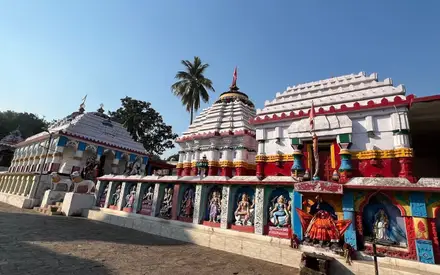
  • Nilamadhaba Temple Kantilo, Brahmadri twin hills, banks of Mahanadi River, Kantilo, Nayagarh, Odisha
    Nilamadhaba Temple Kantilo

    No ratings yetBe the first to review

    Brahmadri twin hills, banks of Mahanadi River, Kantilo, Nayagarh, Odisha
    • Lord Vishnu
    • Kalinga
    • Ancient temple
    View details
  • Raghunath Temple Odagaon, Dalak, Odagaon, Nayagarh, Odisha

    Raghunath Temple Odagaon

    No ratings yetBe the first to review

    Dalak, Odagaon, Nayagarh, Odisha

    • Lord Rama
    • Kalinga
    • Ancient temple
    View details
  • Ladu Baba Temple Nayagarh, Sarankul, Nayagarh, Odisha

    Ladu Baba Temple Nayagarh

    No ratings yetBe the first to review

    Sarankul, Nayagarh, Odisha

    • Lord Shiva
    • Other
    • Ancient temple
    View details
  • Kapilash Chandrasekhar Temple, Kapilash Hill / Kapilash Reserve Forest area (near Joranda / Mahidharpur region), Dhenkanal, Odisha
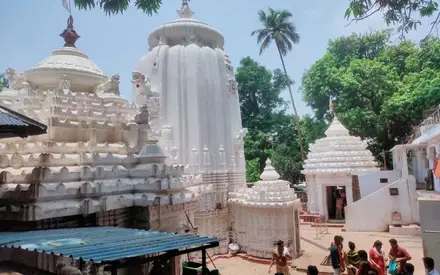
    Kapilash Chandrasekhar Temple

    No ratings yetBe the first to review

    Kapilash Hill / Kapilash Reserve Forest area (near Joranda / Mahidharpur region), Dhenkanal, Odisha

    • Lord Shiva
    • Kalinga
    • Hill temple
    View details
  • Kualo Ganesh Temple, Kualo Village, Parjang, Dhenkanal, Odisha

    Kualo Ganesh Temple

    No ratings yetBe the first to review

    Kualo Village, Parjang, Dhenkanal, Odisha

    • Lord Shiva
    • Kalinga
    • Ancient temple
    View details
DevalayamSacred places, with clarity

A curated guide to temples across India — visit-ready details, directions, nearby hotel bookings, and community reviews to help you plan every darshan.

By deity

  • Lord Shiva
  • Goddess Shakti / Amman
  • Lord Vishnu
  • Lord Krishna
  • Lord Ganesha
  • View all

By location

  • Maharashtra
  • Karnataka
  • Tamil Nadu
  • Rajasthan
  • Uttarakhand
  • View all

By type

  • Pilgrimage centre
  • Ancient temple
  • Hill temple
  • Riverbank temple
  • Village temple
  • View all

© 2026 Devalayam — Discover temples across India

Privacy Policy·Terms of Service